Independent advice. No sales calls.
We don’t sell solar.We help you buy it well.
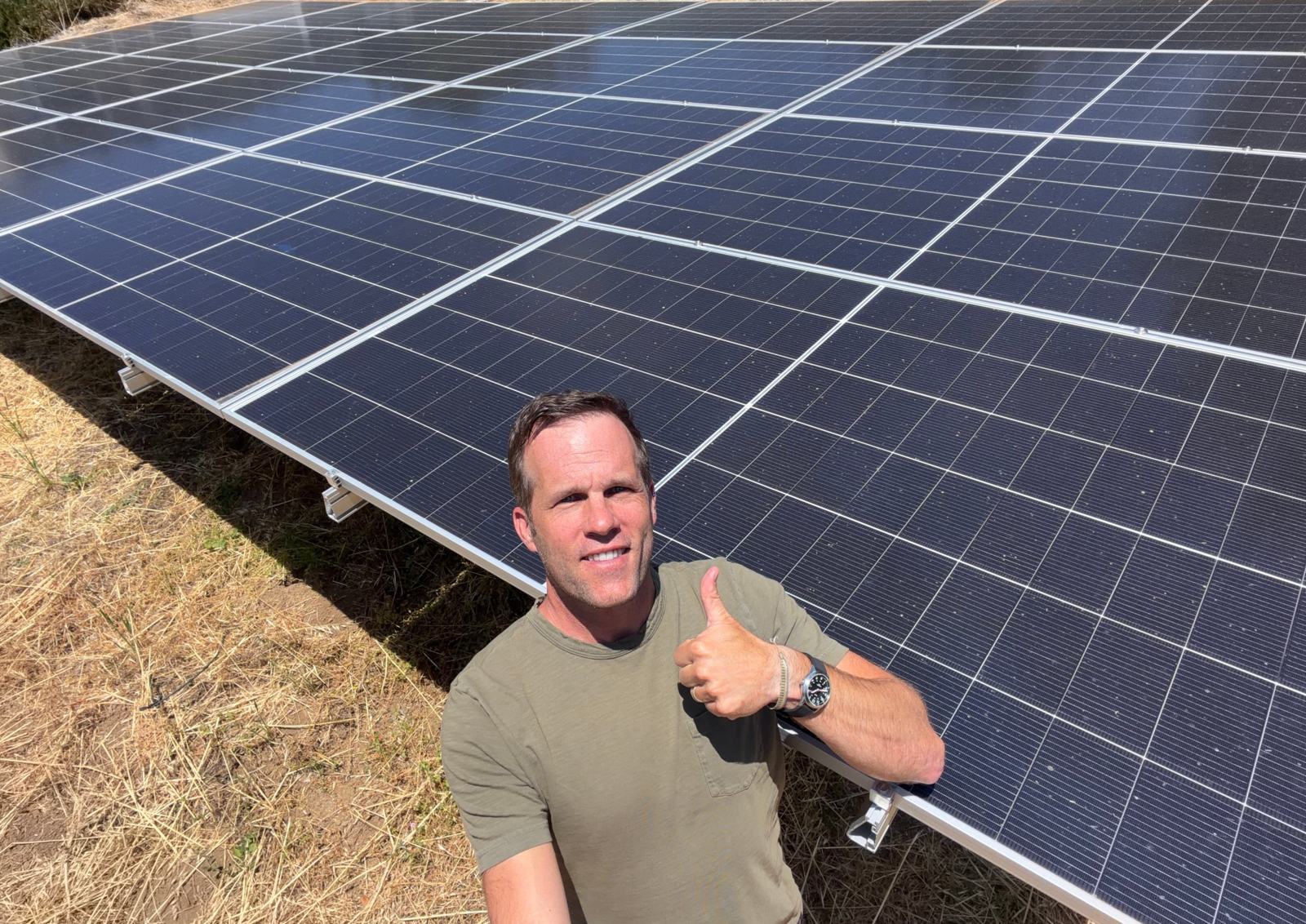
After 21 years in solar, I thought buying it would be easy. It wasn’t. I ran calculations, checked historical data and modeled future usage. In the end, I got 11 quotes from 8 installers: the difference in prices was $14,020. But price isn’t everything, so I built spreadsheets to compare them. Even with all of that, I could have done it better...
So I built this tool for you, a tool that’s actually for homeowners.
- Know what you need
- Save time
- Compare quotes easily
Why this exists
Installers quote solar every day. Homeowners buy it once.
What the installer decides
- Production estimates for your roof
- Assumptions about how fast your utility rates will rise
- Equipment and design decisions
- Financing products, and the fine print
What you usually get
- A proposal
- A monthly payment, if it’s a loan or lease
- A savings number, with no way to check it
- An expectation that you decide quickly
Different systems, different assumptions, different prices, sometimes different installers. We help you see which differences matter.
It’s a 25-year decision. Prepared homeowners have better conversations and make better decisions.
How it works
From your address to a decision you understand.
| Step | What you do | What you get | ||||||||||||||||||||||||||
|---|---|---|---|---|---|---|---|---|---|---|---|---|---|---|---|---|---|---|---|---|---|---|---|---|---|---|---|---|
| 1 | Check your home | Answer five quick questions. Your address is enough to start. | A first read on whether solar fits your home. | |||||||||||||||||||||||||
| 2 | Understand your home | Tell us about your roof, main electrical panel and shade, and upload your PG&E usage. | A clear picture of your roof, your electrical panel and how you use power. | |||||||||||||||||||||||||
| 3 | Plan for what’s coming | Tell us about an EV, heat pump or battery you might add. | ||||||||||||||||||||||||||
Your Home Solar ReportExampleYour roofWatch 15 to 20 years old, and a reroof is planned. Settle the roof first, so panels go on once.Your electrical panelWatch 100 amps. Two photos let installers say whether it needs an upgrade.Your electricity useGood 14,267 kWh a year, from your PG&E file.What’s comingGood EV, heat pump, induction: about 21,067 kWh a year.Sizes worth asking for: one that covers today’s use, about 15.2 kW for what’s coming, and either one plus a battery. Options and trade-offs, not a pick. Every number says where it came from. | ||||||||||||||||||||||||||||
| 4 | Build your request | Add two photos of your electrical panel. Choose the installers. | ||||||||||||||||||||||||||
Your requestExample
You send it, to the installers you choose. Every one gets the same request, so the quotes line up. | ||||||||||||||||||||||||||||
| 5 | Compare your quotes | Bring the quotes back and set the assumptions. | ||||||||||||||||||||||||||
Your quotes, on the same assumptionsExampleReputation
Value: cost per kWh over the system’s life
| ||||||||||||||||||||||||||||
| 6 | Check the installer | Look over what we found, and call references. | License, the state’s warning list and its buyer-protection checklist, checked. | |||||||||||||||||||||||||
| 7 | Decide | Make the call, with your household. | ||||||||||||||||||||||||||
Your solar decision guideExample
Where you’ve landed and why, in one place you can share. | ||||||||||||||||||||||||||||
New to solar? Every step explains itself as you go.
If I were you
I wouldn’t rush it, and I wouldn’t sign the first quote. Take the time to understand what you need. Get several quotes and compare them on the same terms, value and reputation. Then pick the one that fits your home, from a company you trust.
Scott
What it catches
The “oh shoot” moments, caught before you sign.
The panel upgrade that shows up late
An older 100-amp electrical panel can mean an upgrade costing a few thousand dollars, often raised after you’ve said yes.
The escalator in the financing
A lease or loan that quietly rises each year, or a dealer fee built into the rate. We flag both.
I wish I’d added more panels :(
An EV or a heat pump adds thousands of kWh a year. You can add panels later, but it costs a lot more than adding them now. If you’re sure more upgrades are coming, adding panels now usually wins, especially if you use that power during the day or have a battery to store it.
The production number nobody checks
A rosier production estimate makes a better savings number for the same system. We flag the optimistic ones.
Built from inside the industry
Twenty-one years in solar, now on your side of the table.
I spent eight years running a solar lead generation company. We helped installers find more customers. Then I went to buy solar for my own house, and it took eleven quotes from eight installers and a stack of spreadsheets before I could tell which one to choose. This is the tool I wanted.
How it went, on my own
- 8+ hours on the phone, an hour or more per installer
- Hours building spreadsheets to compare the quotes
- Two months of back and forth
What it costs
Free to start. You pay once the tool has earned it.
Is this for you?
Built for homeowners who want to get “going solar” right.
Yes, this is for you if
- Your PG&E bill keeps climbing, and you’re sick of it
- You want the lights on when the grid goes down
- You have quotes that don’t add up, or you’d rather not do this alone
- You like knowing exactly what you’re buying, and why
- You want solar to match or beat the other places your money could go
- You want to know what your system is worth, the day you sign and the day you sell
Probably not, if
- You want someone to just tell you what to buy
- You want the cheapest quote, fast, and don’t mind who installs it
- You trust a company and there’s nothing to worry about
- You rent, or share a roof
- You’re outside PG&E territory
- Your home is inefficient (the state says fix that first)
- You qualify for a low-income program (stronger protections)
Where are you with solar?
I’m just starting.
We’ll help you work out what your house needs before you talk to anyone.
Start with your home(book a walk-through with Scott)I have quotes I never signed.
Bring them. We’ll put them on the same footing and check the companies. Older quotes are fine.
Bring your quotes(book a walk-through with Scott)Still being built
After you sign: The 25+ years of owning solar
I built this tool from my own experience going solar. Now that I own solar and heat pumps, I want to know what I actually save across electricity, natural gas, and the gasoline our EV replaced. Am I saving what I expected? How do I treat solar like an asset, and reinvest what it saves? And how do I keep it running well, including if my installer goes out of business?
If that’s what you care about most, tell us. Parts of it are built, we’re doing parts by hand, and we’re glad to help one on one until it’s ready.
What doing this with us looks like
From your bill to a year after switch-on.
- 1Work out what the house needsIncluding an EV, a heat pump or an induction range you may add, so the system is sized once.
- 2Build one request every installer can quote againstAnd help you find installers worth asking.
- 3Put every quote on the same assumptionsOnes you control. Then check each company: license, history, and the state’s checklist.
- 4Work out how to pay, and treat solar like an assetWhich ways of paying lock what you pay for power: cash, loan, prepaid lease or PPA. Then how to put what solar saves you to work, so it builds net worth instead of disappearing into the monthly budget.
- 5Plan for outagesA battery for short outages and evening peaks. For multi-day winter outages, when solar makes little power, we compare a propane or natural-gas generator against a much larger solar and battery system.
- 6Check in every month for the first yearFor our first few homeowners: what the system produced, what you paid, and what you would have paid without it.
The money
Don’t just compare solar with solar. Compare it with the other places your money could go.
If you want to dive deep into the opportunity cost of solar, we’ve crunched the numbers.
Solar can help with outages, save money and have a positive environmental impact. But most quotes don’t treat solar like a financial decision. We calculate the savings using one set of assumptions, but also look at solar compared to the other options you have: invest it, pay down your mortgage, keep it in savings. Solar is a good hedge against rising rates when the savings are put to work. We’ll share the financial comparisons so you can own solar for maximum value.
Every size, not one number
Smaller and larger systems, with and without a battery, side by side. What each costs, what it saves and what it returns.
Where the savings go
A smaller bill quietly turns into everyday spending. Put the savings to work and the outcome changes more than any choice of system.
How long you stay
Solar takes years to pull ahead. If you might sell, what a buyer pays for the system decides whether it paid off, and a record of what it actually saved is what earns that price.
Questions people ask
Why does buying solar feel so frustrating?
- You filled out one form. Now your phone won’t stop ringing.
- The person explaining solar to you is also the one selling it.
- Three quotes, three formats, and every one is the best deal.
- A 25-year decision, made at the end of a one-hour pitch.
None of that makes solar a bad idea, and most installers aren’t the problem. It just means one side knows far more than the other.
Where should I get quotes?
2 or more from a marketplace like EnergySage: fast, and quotes come back in a comparable format. Skip the phone number if it’s optional, or expect calls.
2 or more local companies you find yourself: Google, Yelp, WattBot, and a neighbor who has gone solar.
Plus anything you already have.
Send them all the same request, then bring every quote here. Expect a few installers not to reply.
I got quotes a while back. What’s changed?
- The federal tax credit changed. If you buy the system yourself, with cash or a loan, there’s no federal credit for systems installed after December 31, 2025 (IRS). Leases and prepaid PPAs can still carry one, because the installer owns the system and claims it, but only on new deadlines: roughly, in service by the end of 2027. A cash quote that still subtracts the credit shows a lower price than you’d actually pay.
- Utility rates kept rising. We start from today’s.
- Exported power is paid differently under the newer net billing rules, and usually earns less.
How do you check an installer?
- License status and classification
- Whether they’re on the state’s non-compliant list
- What reputation sources say about them
- How long they’ve worked locally
- Escalators and dealer fees in the financing
- Calling references
- Reading the contract
Read the CPUC’s solar guide, or look up any license yourself with the Contractors State License Board.
Does solar lock in what I pay for power?
It depends on how you pay.
How fast will PG&E rates rise?
Nobody knows the next ten years, so you pick the path, and we run every quote on it.
I want to save money and keep the lights on. What do I need?
Short outages and evening peaks: a battery covers these, and earns its keep on the bill the rest of the time.
Sunny-season outages, like fire-season shutoffs: if the system can recharge from the panels while the grid is down, solar and a battery can keep most of your home running for days. Ask each installer whether theirs can.
Multi-day winter outages: solar makes little in winter, so a generator is usually the backstop.
What’s actually on my PG&E bill?
Electricity and gas arrive on one bill, and most people only know the total. We split it, add propane and gasoline if they apply, and set a baseline.
How good an investment is solar?
Better than it looks, if you treat it like one.
Owned and sized well, solar can return more than many safe investments. But the return doesn’t arrive as a check. It arrives as a smaller bill, and a smaller bill quietly turns into everyday spending. Treat the savings like a dividend: move them into savings or investments each month, and solar becomes a hedge against rising rates that keeps building, the longer you stay. Spend them, and it’s mostly a nicer monthly budget.
1. You already pay for power. Solar redirects it.
2. What you do with the difference decides the outcome.
Four ways we look at it, side by side:
We work this through with your own quotes, on assumptions you can change. We never promise a savings number: rates, weather and installer prices are outside anyone’s control. The full investment view is part of what we’re still building, so for now we walk through it with you by hand.
Why should I trust your numbers?
You shouldn’t have to take our word for it.
Many solar calculators aim to make it easy. They fill in assumptions for you and hand back a quick answer. We think going solar is rarely that simple, and the deal is in the details. So we do the tedious work up front and show every step, which makes the decision easier in the long run.
- Every number says where it came from: “from your PG&E file”, “you told us”, or “our estimate”. When two sources disagree, we show both.
- Every calculation is open-book. Under each one is a short, plain-language write-up of what we calculated, from which inputs, and what we assumed.
- Take it to your own AI assistant (coming). Each write-up will download as a simple text file. Paste it into ChatGPT, Claude or any assistant you trust, and ask it to check our math or challenge our assumptions.
- You can change the assumptions: rate increases, how long the system lasts, how much more power you’ll use. The results update as you go.
- If we got something wrong, tell us. We’ll fix it and say what changed.
What are Scott’s biases?
Everyone has them. Here are mine.
- I believe in solar. I’ve spent 21 years in it, and I have it on my own house. I’ll still tell you when it doesn’t make sense: a shaded or north-facing roof, an inefficient house, or a quote that doesn’t add up.
- I think big purchases deserve care. Solar is a 25-year decision. I’d rather you spend, save and invest on purpose than sign quickly.
- I lean toward owning over owing. Paying cash is usually cleanest, and when debt makes sense, it should be responsible. So we lay out cash, loans and leases side by side. Some loans and leases are much better than others, and we show you which.
- I used to work for installers. For eight years I ran a company that found customers for them. I know how they sell, and I built this to help homeowners like you and me, on the other side of the table.
- I like local companies where the owner is close to the crew. The tool doesn’t steer you there. Every installer is checked the same way.
- My experience is one house in Northern California. That’s why the tool focuses on PG&E for now.